Bạn có muốn tìm hiểu các ứng dụng khoa học dữ liệu hàng đầu trong giáo dục không? Trong bài viết này, bạn sẽ thấy các nhà khoa học dữ liệu có thể giúp các nhà giáo dục và quản trị viên cải thiện hoạt động hàng ngày của các cơ sở giáo dục của họ như thế nào. Khi các công cụ AI được cải thiện, số lượng ứng dụng sẽ tăng lên và điều này sẽ giúp ích cho cả giáo viên và học sinh.
Hơn nữa, chúng tôi sẽ đề cập đến các phương pháp hay nhất khi sử dụng khoa học dữ liệu trong ngành giáo dục. Điều này đảm bảo bạn sẽ biết cách xử lý dữ liệu theo cách mang lại cho học sinh của mình cơ hội thành công tốt nhất.
Hãy đọc tiếp để tìm hiểu thêm về cách khoa học dữ liệu có thể được sử dụng trong môi trường giáo dục.
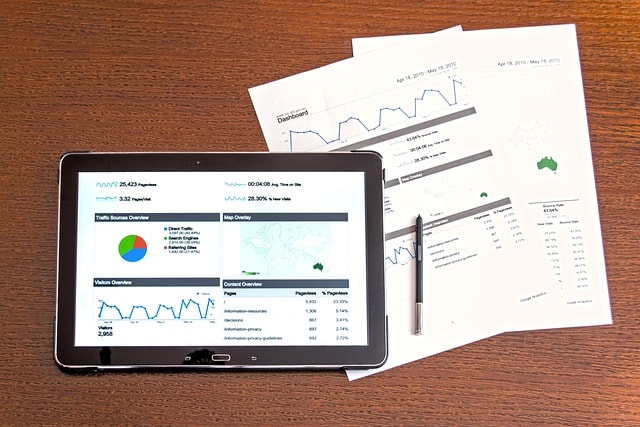
Ứng dụng khoa học dữ liệu trong giáo dục đại học: Khoa học dữ liệu được sử dụng ở đâu?
Ứng dụng khoa học dữ liệu trong giáo dục đại học giúp nâng cao khả năng ra quyết định, cá nhân hóa việc học và cải thiện kết quả của sinh viên. Những lợi ích này có thể thay đổi cuộc chơi đối với sinh viên. Đặc biệt là những sinh viên đang vật lộn để cải thiện điểm số và vượt qua kỳ thi vào cuối năm.
Hơn nữa, các tổ chức sử dụng phân tích dữ liệu để dự đoán thành công của sinh viên, tối ưu hóa việc ghi danh và phân bổ nguồn lực hiệu quả. Nếu không có dữ liệu, việc đưa ra những lựa chọn sáng suốt đúng đắn cho các nhà giáo dục sẽ khó khăn hơn nhiều.
Ngoài ra, thông tin chi tiết dựa trên dữ liệu giúp giảng viên điều chỉnh phương pháp giảng dạy trong khi quản trị viên cải thiện chiến lược duy trì và hợp lý hóa hoạt động. Càng nhiều dữ liệu thì càng tốt khi đi đúng hướng.
Cuối cùng, các mô hình dự đoán có thể xác định học sinh có nguy cơ và hỗ trợ các biện pháp can thiệp để tăng tỷ lệ tốt nghiệp. Điều này đảm bảo rằng không có học sinh nào bị bỏ lại phía sau trong một ngôi trường bận rộn có thể thiếu nhân sự.

5 tính năng hàng đầu của khoa học dữ liệu trong giáo dục
Bây giờ chúng ta hãy khám phá các tính năng khác nhau của khoa học dữ liệu và cách nó có thể ảnh hưởng đến giáo dục. Do đó, bạn sẽ hiểu rõ hơn về giá trị mà khoa học dữ liệu mang lại và lợi ích của việc tập trung vào các tính năng này. Các kỹ thuật khoa học dữ liệu này có thể tạo nên sự khác biệt cho cơ sở giáo dục của bạn.
1. Phân tích dự đoán cho sự thành công của sinh viên
Phân tích dự đoán được sử dụng để xác định các mẫu trong dữ liệu học sinh. Điều này giúp các nhà giáo dục dự báo hiệu suất học tập, tỷ lệ duy trì và tỷ lệ bỏ học tiềm năng. Hơn nữa, bằng cách phân tích các yếu tố như tỷ lệ tham dự, điểm số và sự tham gia, các tổ chức có thể xác định chính xác học sinh có nguy cơ. Sau đó, họ có thể cung cấp các biện pháp can thiệp kịp thời, chẳng hạn như kèm cặp hoặc tư vấn.
Nhìn chung, những hiểu biết sâu sắc này cho phép trải nghiệm học tập được cá nhân hóa đáp ứng nhu cầu của từng cá nhân. Bạn sẽ thấy rằng nó sẽ giúp sinh viên đi đúng hướng. Ngoài ra, các mô hình dự đoán cũng cho phép các trường đại học điều chỉnh chương trình giảng dạy hoặc phương pháp giảng dạy để cải thiện kết quả.
Với phân tích dự đoán, có thể thiết lập cho học sinh sự thành công trước thời hạn, tránh phải phản ứng với điểm kém trong lớp.
2. Học tập cá nhân hóa
Khoa học dữ liệu tạo điều kiện cho việc học tập được cá nhân hóa bằng cách phân tích hiệu suất của học sinh và sử dụng dữ liệu đó để tạo ra các nhiệm vụ và mục tiêu giáo dục. Sau đó, học sinh có thể sử dụng Omni AI Tools để hoàn thành hiệu quả công việc. Những công cụ này rất tuyệt vì chúng cung cấp trợ giúp cho các môn học khác nhau từ một giao diện người dùng duy nhất.
Ví dụ, Omni AI Tools như một công cụ giải bài toán hóa học cho phép học sinh học theo tốc độ của riêng mình. Hóa học thường bao gồm các chủ đề phức tạp, khó hiểu trong giờ học hạn chế. Với công cụ này, học sinh có thể xem lại các chủ đề này bất kỳ lúc nào và giải quyết các vấn đề một cách độc lập, mà không chịu áp lực của môi trường lớp học. Sự linh hoạt này giúp các em xây dựng sự tự tin, củng cố sự hiểu biết và ghi nhớ kiến thức hiệu quả hơn. Cuối cùng, nó dẫn đến kết quả học tập tốt hơn.
Hơn nữa, bằng cách sử dụng các thuật toán học máy, nền tảng giáo dục có thể thích ứng với nhu cầu riêng của học sinh. Ví dụ, công nghệ học tập thích ứng đánh giá tiến trình của học sinh và điều chỉnh chương trình giảng dạy theo thời gian thực.
Giữ độ khó của tài liệu giáo dục ở mức độ phù hợp đảm bảo học sinh có động lực hơn để tiếp tục. Do đó, nó làm giảm khả năng học sinh bị mắc kẹt hoặc cảm thấy thất vọng với công việc. Ngoài ra, học sinh có thể sử dụng trình tạo trích dẫn để giúp họ trích dẫn nguồn đúng cách trong các bài báo và bài luận của mình.
3. Quản lý tuyển sinh và phân bổ nguồn lực
Khoa học dữ liệu giáo dục giúp các tổ chức tối ưu hóa quy trình tuyển sinh và quản lý nguồn lực hiệu quả. Bạn sẽ cần phân tích dữ liệu tuyển sinh lịch sử, nhân khẩu học và xu hướng thị trường. Điều này cho phép các trường đại học dự đoán số lượng đơn đăng ký, do đó đảm bảo họ đáp ứng được năng lực mà không tuyển sinh quá nhiều hoặc thiếu.
Ngoài ra, điều này giúp dự báo quy mô lớp học và nhu cầu nhân sự trong khi tối ưu hóa việc phân bổ nguồn lực. Hơn nữa, việc phân phối hỗ trợ tài chính và dịch vụ sinh viên có thể được điều chỉnh dựa trên thông tin chi tiết về dữ liệu. Điều này đảm bảo sử dụng hiệu quả các quỹ của tổ chức.
Cơ sở giáo dục của bạn có vấn đề về tài chính không? Vậy thì việc sử dụng thông tin chi tiết về ứng dụng khoa học dữ liệu trong giáo dục sẽ giúp bạn phát hiện ra nơi bạn đang lãng phí tiền.

4. Phân tích học tập để cải thiện chương trình giảng dạy
Phân tích học tập bao gồm việc thu thập và phân tích dữ liệu từ tương tác của học sinh với nền tảng học tập kỹ thuật số. Dữ liệu này được sử dụng để đánh giá hiệu quả của chương trình giảng dạy. Bạn sẽ cần xem xét các yếu tố như thời gian dành cho các nhiệm vụ, khả năng hiểu nội dung và điểm đánh giá. Hơn nữa, các nhà giáo dục có thể xác định phần nào của chương trình giảng dạy hiệu quả nhất và phần nào cần cải thiện.
Những hiểu biết sâu sắc này giúp tinh chỉnh nội dung khóa học, do đó đảm bảo đáp ứng được mục tiêu học tập và phù hợp với sinh viên. Nhìn chung, việc điều chỉnh chương trình giảng dạy dựa trên dữ liệu cho phép các tổ chức duy trì tính phù hợp và cập nhật của chương trình.
5. Nâng cao khả năng ra quyết định cho người quản lý
Khoa học dữ liệu trao quyền cho các nhà quản lý trường đại học bằng cách cung cấp thông tin chi tiết có thể hành động được về nhiều khía cạnh hoạt động khác nhau. Điều này bao gồm mọi thứ từ tuyển sinh đến tài chính. Do đó, bằng cách phân tích các tập dữ liệu lớn, các nhà quản lý có thể đưa ra quyết định dựa trên bằng chứng. Điều này sẽ giảm bớt sự phỏng đoán và cải thiện kết quả trên toàn bộ tổ chức.
Ví dụ, thông tin chi tiết dựa trên dữ liệu có thể hướng dẫn lập ngân sách, tuyển dụng giảng viên và phát triển chương trình học thuật. Hơn nữa, người quản lý có thể phân tích dữ liệu nhân khẩu học và xu hướng của sinh viên để thiết kế các chiến lược tiếp thị và tuyển dụng có mục tiêu.
Với các mô hình dự đoán và dữ liệu thời gian thực, các nhà lãnh đạo giáo dục đại học có thể phản ứng nhanh chóng với các thách thức.

AI được sử dụng như thế nào để giảng dạy khoa học dữ liệu và phân tích trong môi trường giáo dục
AI đang chuyển đổi khoa học dữ liệu và giáo dục phân tích bằng cách cung cấp trải nghiệm học tập được cá nhân hóa và tự động hóa đánh giá. Hơn nữa, các nền tảng hỗ trợ AI cung cấp hướng dẫn tương tác, phản hồi thời gian thực và lộ trình học tập thích ứng.
Ví dụ, gia sư ảo và hệ thống chấm điểm thông minh tự động đánh giá các bài tập mã hóa và cung cấp phản hồi tức thì. Do đó, học sinh có thể học theo tốc độ của riêng mình.
Giáo viên cũng có thể hướng dẫn học sinh cách sử dụng các công cụ AI để đạt được kết quả tốt nhất. Ví dụ, giáo viên có thể hướng dẫn học sinh học Python bằng AI Python Homework Solver . Điều này giúp các em học nhanh hơn và viết code nhanh hơn nhiều. Ngoài ra, giáo viên có thể sử dụng AI MATLAB Homework Solver để giúp học sinh học code.
Bộ giải thống kê AI là một công cụ cải tiến khác trong không gian khoa học dữ liệu, cung cấp một lớp hỗ trợ bổ sung cho sinh viên làm việc thông qua phân tích thống kê. Các công cụ này hợp lý hóa các tác vụ xử lý dữ liệu phức tạp, cho phép sinh viên đào sâu hơn vào tài liệu mà không bị vướng vào cơ chế. Bằng cách giúp sinh viên hiểu và giải quyết các vấn đề thống kê hiệu quả hơn, bộ giải AI cho phép người học tham gia đầy đủ hơn vào các khái niệm cốt lõi của khoa học dữ liệu.
Mặc dù không phải là một phần truyền thống của khoa học dữ liệu, các trình giải vật lý vẫn có thể hữu ích trong lớp học. Chúng đặc biệt hữu ích khi học sinh làm việc trên các dự án liên quan đến mô hình hóa hoặc mô phỏng thế giới thực. Các công cụ này giúp phân tích các vấn đề phức tạp để dễ dàng kết nối với các khái niệm vật lý bằng phân tích dữ liệu.
Những thách thức với khoa học dữ liệu trong giáo dục
Bây giờ chúng ta hãy đi sâu hơn vào những thách thức khác nhau mà bạn có thể gặp phải khi sử dụng khoa học dữ liệu trong giáo dục. Mặc dù ngành khoa học dữ liệu rất tuyệt vời, nhưng có một số nhược điểm hoặc cân nhắc tiềm ẩn mà bạn không thể bỏ qua. Sau đây là những thách thức cần cân nhắc:
- Quyền riêng tư và bảo mật dữ liệu: Việc xử lý dữ liệu nhạy cảm của học sinh làm dấy lên mối lo ngại về quyền riêng tư. Do đó, các trường học và tổ chức phải tuân thủ các quy định nghiêm ngặt như FERPA và GDPR . Điều này góp phần vào các biện pháp an ninh mạng mạnh mẽ trong khi cân bằng việc sử dụng dữ liệu một cách có đạo đức để nâng cao kết quả học tập.
- Chất lượng và tính nhất quán của dữ liệu: Các tập dữ liệu không nhất quán hoặc không đầy đủ có thể dẫn đến các phân tích sai sót. Đó là vì dữ liệu thường được thu thập từ nhiều nguồn khác nhau với nhiều định dạng khác nhau. Điều này khiến việc dọn dẹp và xử lý trước dữ liệu trở nên quan trọng để tạo ra những hiểu biết có thể hành động được. Do đó, bạn cần chú ý đến những nơi bạn thu thập dữ liệu để đưa ra kết luận.
- Đào tạo giáo viên và hành chính: Các nhà giáo dục thường thiếu kiến thức dữ liệu cần thiết để diễn giải hiệu quả các tập dữ liệu phức tạp. Nếu không được đào tạo đầy đủ, họ có thể gặp khó khăn khi đưa ra quyết định dựa trên dữ liệu. Do đó, các tổ chức giáo dục phải đào tạo các nhà giáo dục một cách chính xác để có kết quả tốt nhất. Đầu tư vào lĩnh vực quan trọng này sẽ mang lại lợi ích về lâu dài.
- Sử dụng thuật toán một cách có đạo đức: Các ứng dụng khoa học dữ liệu thường dựa vào các thuật toán có thể vô tình duy trì sự thiên vị. Bạn có thể thấy rằng đây là trường hợp nếu dữ liệu đầu vào phản ánh sự bất bình đẳng trong lịch sử. Do đó, hãy đảm bảo thiết kế thuật toán có đạo đức và tránh các dự đoán thiên vị. Điều này có thể cần một số lần thử và sai, vì bạn sẽ cần phát hiện ra các vấn đề và phản ứng với chúng.
- Khả năng mở rộng của các giải pháp: Các can thiệp dựa trên dữ liệu trong giáo dục thường hoạt động tốt trong các dự án thí điểm nhưng không thể mở rộng trên các nhóm dân số lớn hơn và đa dạng hơn. Điều này bao gồm các bối cảnh giáo dục khác nhau, các yếu tố văn hóa và nhu cầu cục bộ.
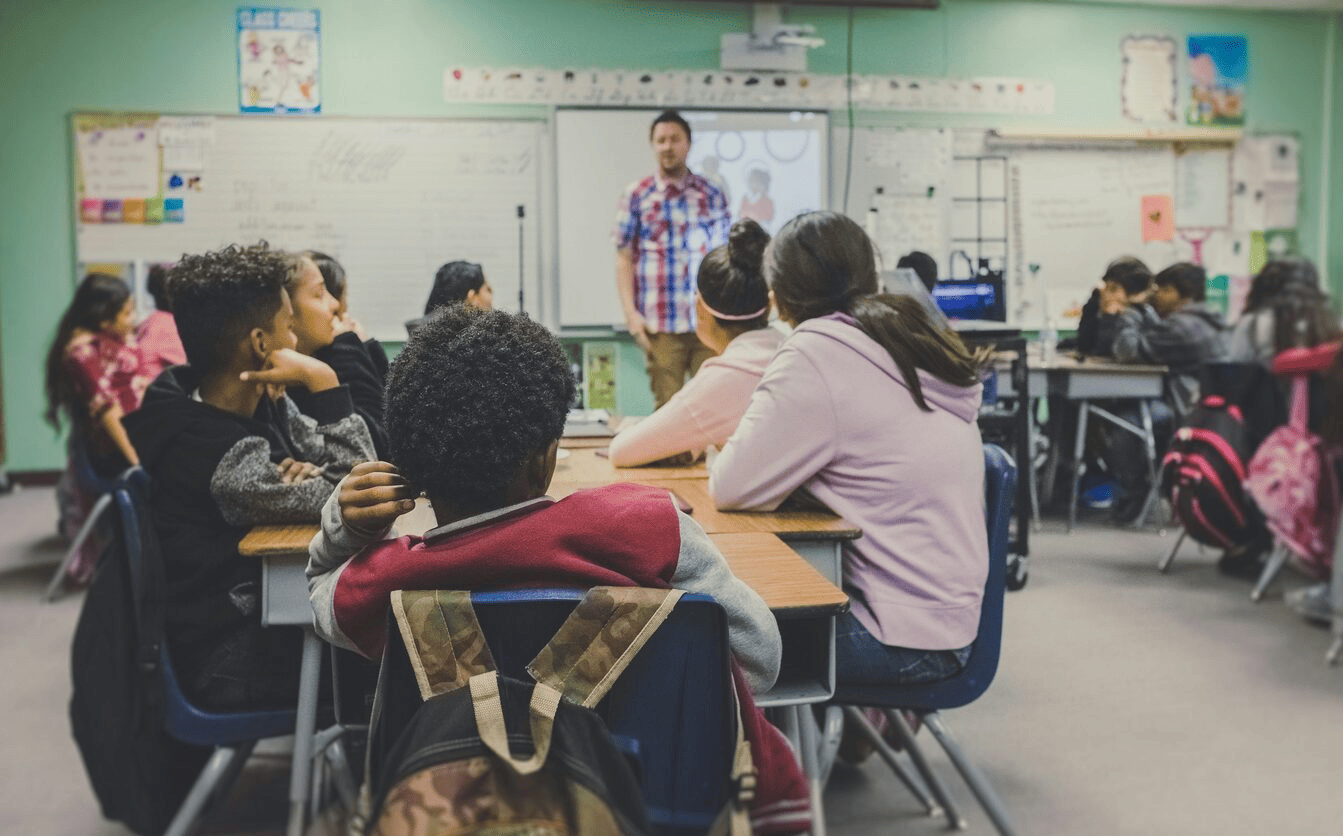
Ứng dụng khoa học dữ liệu trong giáo dục: 4 phương pháp thực hành tốt nhất
Có một số phương pháp hay nhất mà bạn phải tuân theo để có được kết quả tốt nhất với các ứng dụng khoa học dữ liệu của mình. Phần này đặc biệt hữu ích cho những ai chưa từng sử dụng dữ liệu đánh giá học sinh để định hình chương trình giảng dạy sắp tới. Hãy tiếp tục đọc để biết các phương pháp hay nhất cần cân nhắc khi sử dụng nhóm khoa học dữ liệu.
1. Xác định mục tiêu giáo dục rõ ràng
Trước khi bắt tay vào các dự án khoa học dữ liệu, các trường học và nhà giáo dục nên xác định rõ mục tiêu và kết quả. Điều này bao gồm xác định các vấn đề cụ thể mà họ muốn giải quyết. Các ví dụ hàng đầu bao gồm cải thiện khả năng giữ chân học sinh, tăng cường học tập cá nhân hóa và tối ưu hóa việc phát triển chương trình giảng dạy.
Bạn cũng cần xác định các mục tiêu có thể đo lường được để đảm bảo các sáng kiến dựa trên dữ liệu phù hợp với các ưu tiên và nhu cầu đúng đắn. Khi chọn các mục tiêu rõ ràng, bạn cần chọn đúng dữ liệu, thuật toán và mô hình. Ví dụ, bạn có thể muốn học sinh học cách bắt đầu một bài luận hoặc cách viết tóm tắt điều hành.
2. Thúc đẩy các chiến lược giảng dạy dựa trên dữ liệu
Giáo viên tại trường hoặc cao đẳng của bạn có gặp khó khăn trong việc đạt được kết quả tốt nhất từ học sinh của mình không? Sau đó, bạn có thể triển khai phương pháp tiếp cận dựa trên dữ liệu để cải thiện các chiến lược giảng dạy. Điều này bao gồm việc phân tích dữ liệu hiệu suất lớp học, đánh giá và phản hồi. Do đó, các nhà giáo dục có thể điều chỉnh các kỹ thuật giảng dạy của mình để phù hợp hơn với nhu cầu của cá nhân hoặc nhóm.
Tốt nhất là giữ tốc độ thay đổi chậm để giáo viên và học sinh có thời gian thích nghi. Nếu không, bạn sẽ áp đảo mọi người bằng các công cụ AI và kết quả cuối cùng sẽ là điểm thấp hơn và giáo viên bất mãn.
3. Tích hợp Visual Analytics để có cái nhìn sâu sắc hơn
Các công cụ trực quan hóa dữ liệu đóng vai trò quan trọng trong việc giúp giáo viên, quản trị viên và nhà hoạch định chính sách dễ tiếp cận hơn với dữ liệu giáo dục phức tạp. Bắt đầu bằng cách chuyển đổi dữ liệu thô thành biểu đồ, đồ thị và bảng thông tin trực quan.
Các công cụ này cho phép đưa ra quyết định dựa trên dữ liệu chỉ trong nháy mắt. Có lẽ một số giáo viên sẽ hiểu rõ hơn về các hệ thống AI này khi họ có nhiều hình ảnh trực quan để chia sẻ. Nhìn chung, hình ảnh trực quan nên được điều chỉnh theo đối tượng bằng cách tập trung vào tính rõ ràng và tính liên quan.
Cuối cùng, các trường học nên đào tạo các nhà giáo dục về cách diễn giải dữ liệu trực quan, do đó đảm bảo rằng những hiểu biết sâu sắc được chuyển thành những cải tiến giáo dục có thể thực hiện được.
4. Theo dõi và đánh giá các sáng kiến dựa trên dữ liệu thường xuyên
Làm sao bạn có thể biết được việc sử dụng khoa học dữ liệu ngày càng tăng có hiệu quả không? Bạn có thể theo dõi kết quả của các quyết định được đưa ra từ việc thu thập dữ liệu. Điều này cung cấp cho bạn thứ gì đó hữu hình mà bạn có thể xem xét và quyết định xem chiến lược có hiệu quả hay không.
Bạn có thể tìm ra quyết định nào hiệu quả và tại sao, và tương tự như vậy, loại bỏ các quy trình dẫn đến những lựa chọn tồi. Bạn có thể muốn sử dụng phần mềm có thể theo dõi các chỉ số hiệu suất chính phù hợp để tìm ra điều gì đang hiệu quả. Ví dụ về những điều này bao gồm số lượng học sinh đỗ mỗi năm và số lượng học sinh mà một trường có thể tuyển sinh.

Sử dụng công cụ Smodin để nâng cao kết quả giáo dục
Các số liệu thống kê thú vị trong bài viết này nêu bật những lý do hàng đầu tại sao sử dụng AI trong giáo dục là một ý tưởng tuyệt vời. Tuy nhiên, tất cả phụ thuộc vào cách bạn triển khai các hệ thống tại cơ sở giáo dục của mình.
Nhìn chung, hiện nay có nhiều công cụ AI hơn bao giờ hết dành cho cả giáo viên và học sinh. Tuy nhiên, bạn cần sử dụng các ứng dụng khoa học dữ liệu trong giáo dục để có được kết quả đúng. Chúng sẽ giúp bạn mọi thứ, từ phân tích dự đoán đến xây dựng chương trình giảng dạy phù hợp cho năm học tiếp theo.
Bạn có muốn truy cập vào nhiều công cụ giáo dục từ một gói không? Vậy thì hãy cân nhắc sử dụng Smodin để có giải pháp trọn gói. Giao diện người dùng của chúng tôi là tốt nhất trong ngành và chúng tôi có những đánh giá tích cực từ người dùng hiện tại.
Hãy xem Smodin ngay để thấy được nhiều lợi ích mà nó mang lại cho hành trình giáo dục của bạn.

Câu hỏi thường gặp
Khoa học dữ liệu được sử dụng như thế nào để nâng cao kết quả học tập?
Khoa học dữ liệu giúp cải thiện kết quả học tập bằng cách phân tích khối lượng lớn dữ liệu về hiệu suất của học sinh để xác định các mô hình. Điều này có thể giúp các nhà giáo dục hiểu được chiến lược giảng dạy nào hiệu quả nhất. Hơn nữa, có thể cá nhân hóa việc học cho từng học sinh, dự đoán học sinh có nguy cơ và tối ưu hóa các nguồn lực.
Khoa học dữ liệu đóng vai trò gì trong việc học tập cá nhân hóa?
Các mô hình khoa học dữ liệu góp phần vào việc học tập được cá nhân hóa bằng cách phân tích dữ liệu của từng học sinh. Các ví dụ hàng đầu bao gồm hiệu suất, thói quen học tập và sở thích. Thông tin này cho phép các nhà giáo dục điều chỉnh nội dung, tốc độ và phương pháp giảng dạy để phù hợp với phong cách học tập của từng học sinh.
Cá nhân hóa học sinh hoạt động tốt nhất khi có nhiều dữ liệu hơn để hệ thống AI sử dụng để lập kế hoạch giáo dục. Điều này có nghĩa là bạn cần cung cấp cho hệ thống càng nhiều dữ liệu càng tốt mà không vi phạm bất kỳ luật nào.
Phân tích dự đoán có thể mang lại lợi ích gì cho trường học và nhà giáo dục?
Phân tích dự đoán trong giáo dục có thể dự đoán hiệu suất của học sinh và xác định những học sinh có thể gặp khó khăn. Do đó, họ có thể dự đoán tỷ lệ bỏ học và đề xuất các biện pháp can thiệp. Điều này đặc biệt quan trọng ở những trường có lớp học lớn, nơi một số học sinh có xu hướng bị tụt lại phía sau vì giáo viên quá tải.
Nhìn chung, các chiến lược phân tích này giúp cải thiện khả năng duy trì và thành tích của sinh viên. Tuy nhiên, phân tích dự đoán sẽ cải thiện khi bạn cung cấp thêm dữ liệu cho thuật toán.
Khoa học dữ liệu có thể giúp cải thiện hiệu quả quản lý trong các cơ sở giáo dục không?
Có, khoa học dữ liệu có thể hợp lý hóa các quy trình hành chính bằng cách tối ưu hóa lịch trình, quản lý tài nguyên, dự đoán xu hướng tuyển sinh và cải thiện kế hoạch tài chính. Nó cũng có thể hỗ trợ đánh giá và cải thiện hiệu suất của tổ chức.